
For small and mid-size companies, shipping costs can quickly eat into margins—especially when freight volumes fluctuate, or shipments are sent out in smaller quantities. One of the most effective ways to control those costs without sacrificing delivery reliability is freight consolidation.
At Pulse Logistics, we help businesses simplify shipping by combining multiple smaller shipments into more efficient loads. In this guide, we’ll explain what freight consolidation is, how it works, and why it can be a powerful cost-saving strategy for growing companies.
What Is Freight Consolidation?
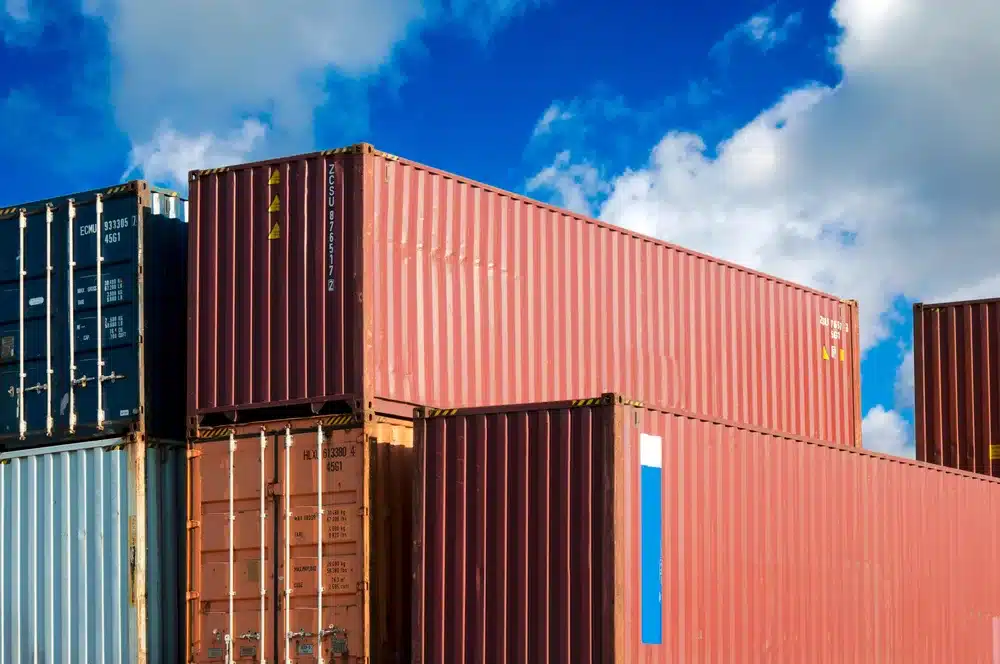
Freight consolidation is a logistics strategy that combines multiple smaller shipments into one larger shipment. Instead of paying for several separate freight moves, businesses share space on a truck or consolidate freight heading to similar destinations.
This approach is commonly used alongside LTL (Less-Than-Truckload) freight, regional distribution, and cross-dock operations. The goal is simple:
-
Reduce unused trailer space
-
Lower per-shipment transportation costs
-
Improve overall shipping efficiency
For companies that don’t ship full truckloads regularly, consolidation helps bridge the gap between LTL and FTL shipping.
Why Small and Mid-Size Companies Benefit Most
Large enterprises often have the volume to fill entire trucks. Small and mid-size companies typically don’t—which means they can end up paying higher per-unit shipping costs.
Freight consolidation helps level the playing field by allowing growing businesses to:
-
Access better freight rates
-
Reduce frequent small shipments
-
Improve predictability in shipping budgets
-
Scale operations without massive logistics investments
For companies managing tight margins, these savings can be significant.
How Freight Consolidation Saves Money
Lower Transportation Costs Per Shipment
When multiple shipments are consolidated into one load, transportation costs are shared across multiple orders or businesses. Instead of paying full price for individual shipments, companies benefit from a lower cost per pallet or per unit.
This is especially impactful for:
-
Businesses shipping multiple small orders per week
-
Companies sending freight to the same region or customer base
-
Manufacturers or distributors with recurring outbound shipments
Reduced Accessorial and Handling Fees
Every individual shipment can trigger additional charges—fuel surcharges, pickup fees, handling costs, and delivery accessorials. Consolidating freight reduces the number of pickups and deliveries, which helps minimize these extra fees.
Fewer shipments also mean:
-
Less paperwork
-
Fewer chances for billing errors
-
Reduced administrative overhead
Better Use of LTL and Regional Freight Options
Freight consolidation pairs well with LTL shipping, allowing small and mid-size businesses to maximize efficiency without paying for unused truck space.
Instead of shipping multiple LTL loads separately, consolidated freight can:
-
Move as a single optimized shipment
-
Travel on more efficient lanes
-
Reduce re-handling and transit delays
This leads to more predictable transit times and fewer shipping surprises.
Lower Risk of Damage and Delays
Each time freight is handled, transferred, or reloaded, there’s a risk of damage or misrouting. Consolidation reduces the number of touchpoints, which helps protect goods and prevent delays.
Benefits include:
-
Fewer loading and unloading events
-
Less freight movement between terminals
-
More controlled handling from origin to destination
Fewer claims and re-shipments ultimately translate into cost savings.
Improved Inventory and Shipping Planning
Freight consolidation encourages better planning. Instead of shipping reactively, businesses can group orders on a set schedule—daily, weekly, or bi-weekly.
This structured approach helps:
-
Optimize inventory flow
-
Reduce last-minute expedited shipments
-
Align shipping with production or sales cycles
Over time, better planning leads to lower overall logistics costs.
Why Choose Pulse Logistics for Freight Consolidation
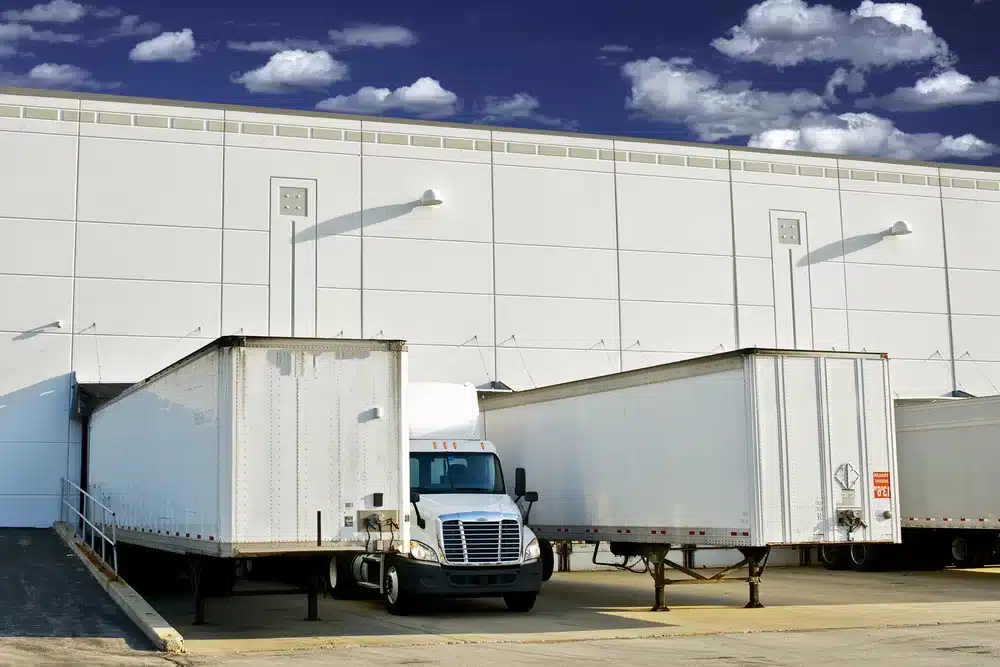
At Pulse Logistics, we help small and mid-size companies turn freight consolidation into a competitive advantage.
Our approach includes:
-
Strategic use of LTL, regional, and consolidated freight options
-
Cross-dock and distribution support to minimize handling
-
Carrier partnerships that prioritize efficiency and reliability
-
Flexible solutions that scale with your business
-
Clear communication and shipment visibility
We focus on reducing unnecessary costs while keeping your freight moving on time and intact.
Conclusion
Freight consolidation is one of the most effective ways small and mid-sized companies can reduce shipping costs, enhance efficiency, and scale operations without increasing logistics complexity.
By combining shipments, reducing handling, and optimizing transportation, businesses can protect margins and gain greater control over their supply chain. At Pulse Logistics, we help companies implement freight consolidation strategies that save money while maintaining reliable deliveries.
Looking to reduce freight costs without sacrificing service? Contact Pulse Logistics today to learn how freight consolidation can work for your business.