When you’re shipping goods across the U.S., whether from coast to coast or just across state lines, understanding domestic freight is key to keeping your supply chain efficient—and your costs under control. At Pulse Logistics, we help businesses of all sizes navigate the ins and outs of domestic freight so you can focus on your product, your customer, and your growth.
In this post, we’ll break down what domestic freight is, why it matters, the different types of domestic freight services, how to choose the right partner, and key best practices that will make a difference in your logistics strategy.
What is Domestic Freight?
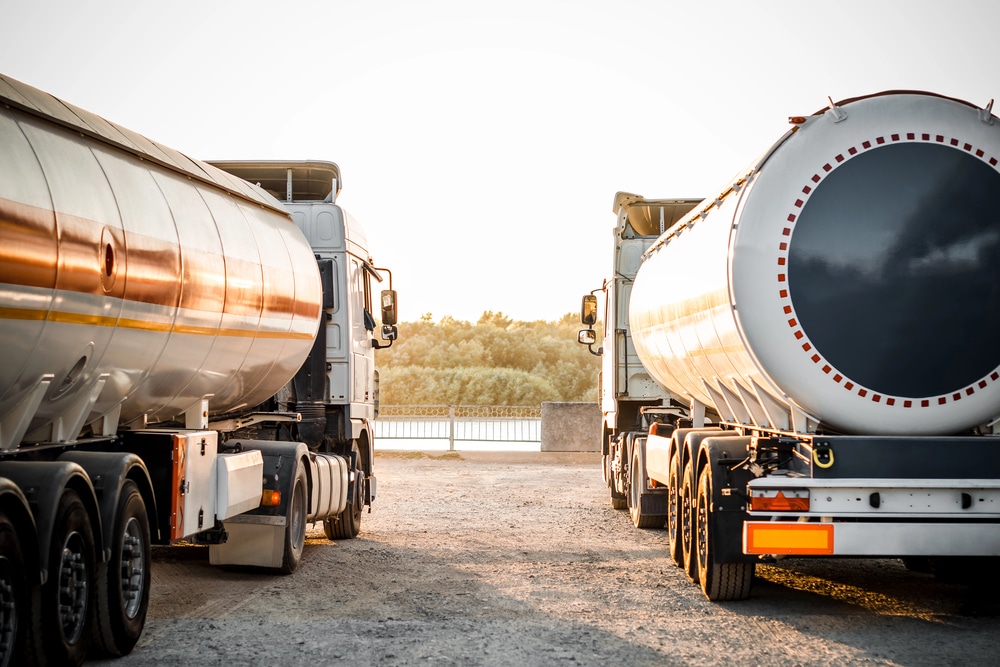
“Domestic freight” refers to the transportation of goods within a country’s borders — in the U.S., that means moving shipments from one state to another (or within a state) using trucking, rail, or intermodal carriers rather than international shipping.
Here are some of the hallmarks:
The origin and destination are both within the U.S.
You don’t have to worry about customs clearance, export/import duties, or international transit times (though you still need to manage regulatory compliance).
You work with carriers, brokers, or 3PLs that specialise in domestic lanes and domestic mode networks.
Speed, reliability, and cost-effectiveness are key metrics.
At Pulse Logistics, we emphasise that domestic freight is not simply “moving a load from point A to B” — we treat it as part of your larger logistics strategy, where timing, cost, and condition matter.
Whether you’re shipping finished goods, raw materials, or high-value components, efficient domestic freight can give you a competitive edge. Here’s why:
Faster transit & predictability: With domestic freight, you avoid international bottlenecks, customs delays, and other overseas uncertainties.
Lower risk and added flexibility: Having domestic carriers means you’re less exposed to global disruptions (e.g., port congestion, currency fluctuation, international compliance).
Cost control: You can negotiate domestic tariffs, manage accessorials, choose between modes (truck, rail, intermodal), and optimise lane design.
Better service levels: Closer proximity, shorter distances, and more frequent runs mean you can offer quicker delivery to customers, which is increasingly important for e-commerce, retail, and manufacturing supply chains.
Scalable logistics: As your business grows, domestic freight solutions can scale and adjust more readily than international alternatives.
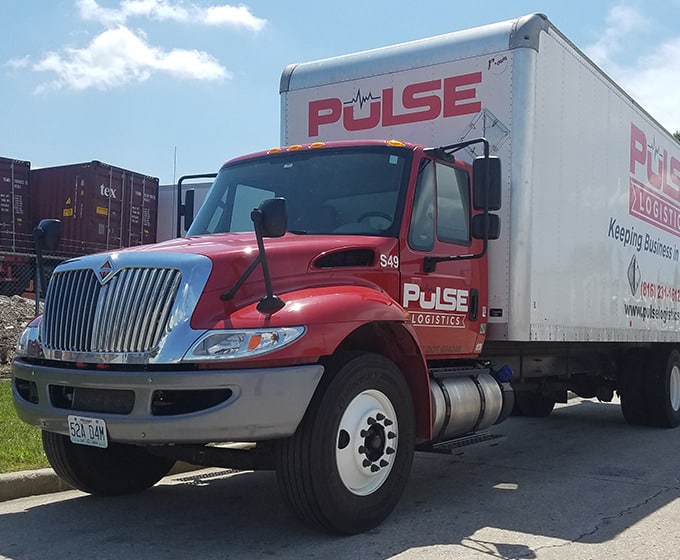
Pulse Logistics emphasises service across the U.S. — from one pallet to full truckload — and uses that coverage to help clients streamline their domestic shipping.
Types of Domestic Freight Services
Here are the main service types you’ll encounter in domestic freight. Knowing which one you need makes a big difference in cost, timing, and logistics.
Full Truckload (FTL)
When your shipment fills an entire trailer or you have enough volume to justify dedicating a truck exclusively to you. This is typical for large shipments, single origin-destination pairs, or high-value/priority loads.
You have a smaller shipment that doesn’t require a full trailer. The load is consolidated with other shippers’ freight. This is cost-effective for smaller volumes, and Pulse Logistics offers dedicated support for LTL.
When you’re focused on a specific region (e.g., Midwest, Southeast) or you require dedicated equipment (box trucks, daily runs, etc.). This can give you greater control over service and cost.
Combining modes – for example, truck plus rail – for cost savings and environmental efficiency. While less common for smaller shippers, intermodal options are gaining traction in domestic lanes.
Expedited / Time-Critical Freight
When your shipment must arrive under tight deadlines, you may need premium services (e.g., dedicated truck, drop-trailers, expedited lanes) to ensure delivery.
How to Choose the Right Domestic Freight Partner
Selecting the right logistics partner is often more important than selecting the lowest rate. Here are the key criteria to evaluate:
Coverage & network: Does the carrier/3PL cover your origin and destination regions? How robust is their network?
Service consistency: On-time performance, reliability, handling of accessorials and damage claims—these all matter.
Mode flexibility: Can they handle FTL, LTL, intermodal, expedited? Do they tailor to your volume and business model?
Technology and visibility: Real-time tracking, shipment status updates, document management—these can reduce headaches.
Customer service & operations support: Easy access to dispatch, escalation procedures, and communication.
Scalability: Ability to grow with your business and adjust service as your needs evolve.
At Pulse Logistics, we pride ourselves on offering these qualities, helping businesses simplify domestic freight so logistics becomes a strength – not a headache.
Best Practices for Domestic Freight Success
Here are practical tips to get the most out of your domestic freight strategy:
Plan: Don’t leave freight last-minute. Scheduled pickups reduce premium charges and reduce the risk of delays.
Use accurate weight & dimensions: Over- or under-estimating affects pricing and may lead to reclassifications or surcharges.
Choose the right service type: Don’t assume LTL is always cheapest. For heavier loads, FTL or dedicated can be more cost-efficient.
Consolidate when possible: If you can combine multiple smaller shipments into one larger shipment, you often save money and simplify execution.
Pay attention to freight class and accessorials: These can make a big difference in cost. Ensure packaging, palletising, and handling requirements are aligned.
Communicate clearly with your logistics provider: Provide accurate ETAs, special instructions, loading/unloading constraints, and contact information to avoid surprises.
Build a contingency plan: Have backup carriers or alternate routes for peak seasons, disruptions, or volume surges.
Stay compliant and document properly: Even domestic freight has regulatory and safety requirements (e.g., haz‐mat, oversized loads, driver hours). Make sure everything is in order.
Why Pulse Logistics is Your Trusted Domestic Freight Partner
Here’s how Pulse Logistics stands out for domestic freight:
With national coverage and experience across full-truckload, less-than-truckload, and regional services, we tailor solutions to your needs.
We prioritise visibility and customer service: technology, tracking, and a dedicated team make logistics simpler.
We’ve built our reputation on reliability, cost control, and flexibility—ideal for businesses that demand high performance from their freight partner.
Whether you’re shipping one pallet or managing high-volume lanes, we scale and adapt as your operations evolve.
Conclusion
Domestic freight is a crucial component of your supply chain. Getting it right means faster delivery, lower cost, fewer surprises, and happier customers. By understanding the service types, choosing the right partner, and following logistics best practices, you’ll position your business for smoother, more efficient operations.
At Pulse Logistics, we’re here to guide your domestic freight journey—from pick-up to delivery, and everything in between. Reach out today to see how we can help you streamline your shipping, scale your volumes, and deliver with confidence.