Cross-docking has moved from a specialty logistics tactic to a mainstream distribution strategy — and Kansas City is one of the best places in the country to leverage it. As a national freight hub at the geographic center of the U.S. market, Kansas City’s position makes it ideal for cross-dock operations that sort, consolidate, or transfer freight efficiently between inbound and outbound carriers. Here’s how cross-docking fits into modern KC freight distribution, when it outperforms traditional warehousing, and when it doesn’t.
The Traditional Warehouse Model vs. Cross-Docking
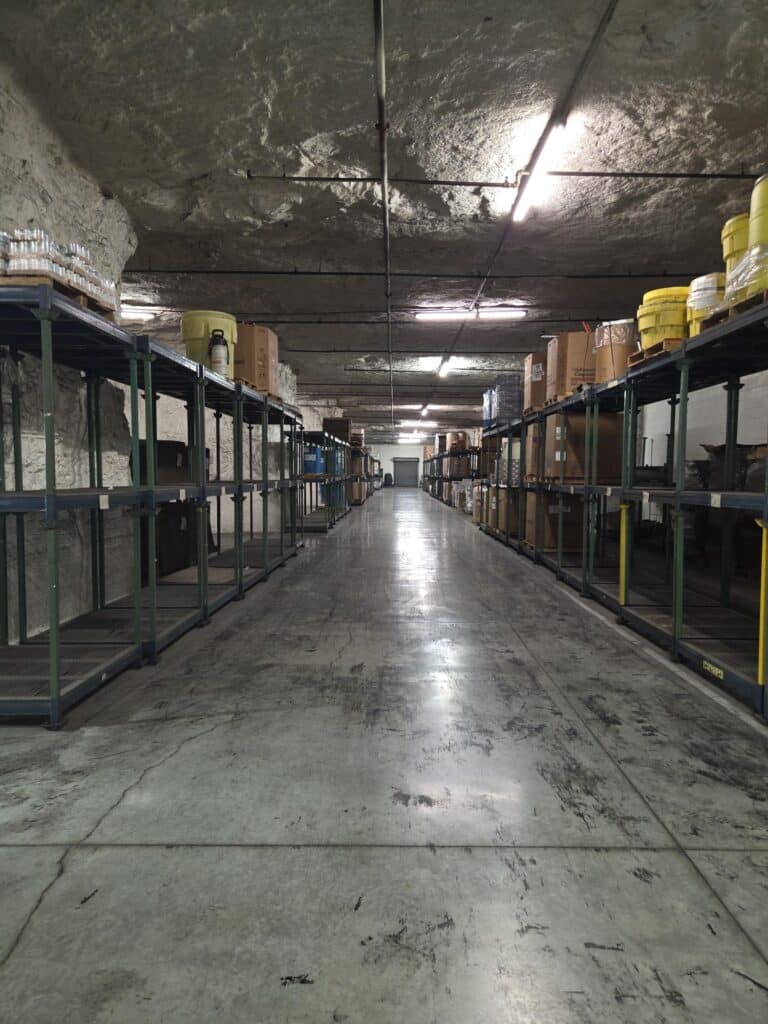
The traditional warehouse model works like this: inbound freight arrives, is received into inventory, stored in a defined location, picked or consolidated to fill outbound orders, and shipped. Products may sit in the warehouse for days, weeks, or months before shipping. This model is excellent for maintaining buffer inventory, managing demand variability, and serving clients who need products available on demand.
Cross-docking eliminates most or all of the storage phase. Inbound freight arrives at the dock, is immediately sorted and staged, and is transferred directly to outbound trailers headed to the final destination — typically within 24 hours. The physical infrastructure (the cross-dock facility) serves as a transfer point and consolidation hub rather than a storage facility.
The efficiency gain is significant when the conditions are right: reduced handling, less time in the supply chain, lower storage costs, and faster delivery to end markets.
Industries Where Cross-Docking Excels
Cross-docking performs best in supply chains with specific characteristics. Three industries where cross-docking consistently delivers strong results are retail, food distribution, and e-commerce.
Retail Distribution
National and regional retailers use cross-docking extensively for store replenishment. Merchandise from multiple vendors is consolidated at a cross-dock hub and redistributed to stores by route — exactly the distribution challenge for which KC’s geographic position is ideal. Rather than routing individual vendor shipments to each store (inefficient) or storing merchandise at a regional distribution center for extended periods (expensive), cross-docking creates efficiency by matching inbound freight to outbound store routes in real time.
Food Distribution and Perishables
Speed is the defining characteristic of food distribution logistics. Perishable products — produce, dairy, refrigerated goods — have short windows between production and retail. Cross-docking eliminates unnecessary storage time and keeps temperature-sensitive freight moving continuously through the supply chain. Kansas City’s central location makes it a natural cross-dock hub for food products moving between Midwest producers and national distribution networks.
E-Commerce and Parcel Consolidation
E-commerce fulfillment increasingly uses cross-docking for returns processing, parcel consolidation, and last-mile efficiency. As order volumes have grown and customer expectations for delivery speed have accelerated, cross-docking’s speed advantage has become a competitive requirement for large-scale e-commerce operations.
How Cross-Docking Reduces Handling and Damage
Every time freight is handled — loaded, unloaded, moved from one location to another in a warehouse — there is an opportunity for damage. Reducing the number of handling touches directly reduces damage rates. Cross-docking, by eliminating the storage-retrieval phase of traditional warehousing, reduces the number of times freight is handled and correspondingly reduces damage exposure.
For high-value goods, fragile products, or freight categories with historically high damage rates, the handling reduction benefit of cross-docking is a meaningful operational advantage alongside the speed and cost benefits.
Pulse Transportation’s Kansas City Cross-Docking Advantages
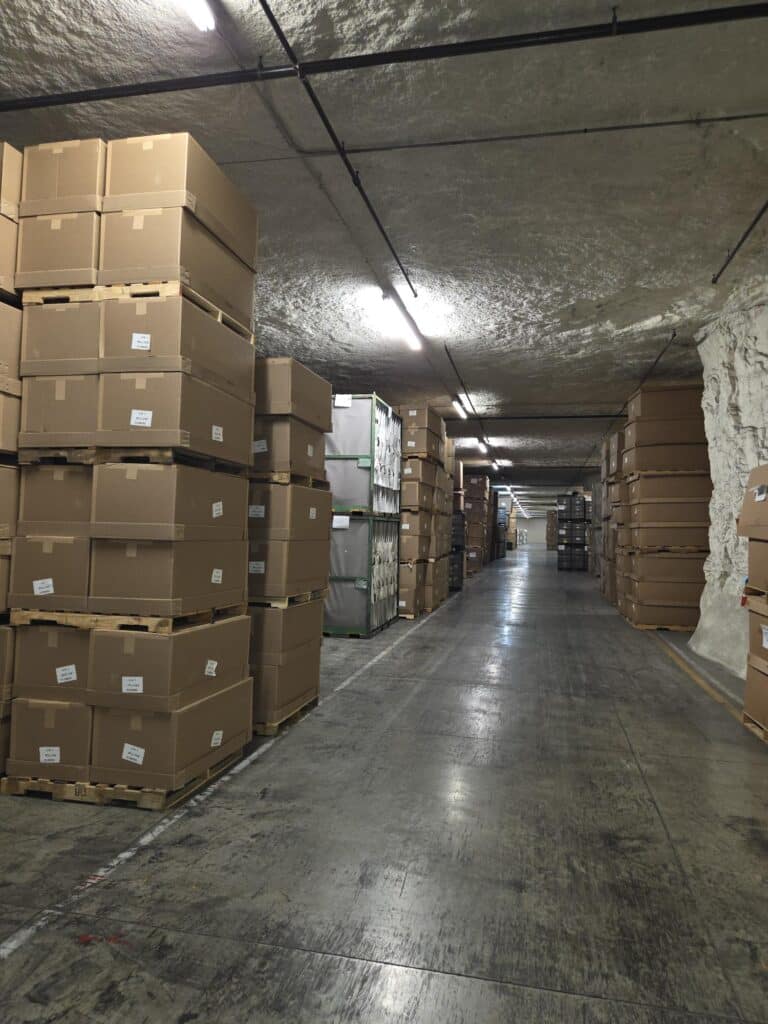
Pulse Transportation’s Kansas City facility is positioned to take advantage of KC’s established position as a national freight hub. Inbound freight from multiple origins can be received, sorted, and dispatched to Midwest distribution points or continued movement east, west, north, or south — with turnaround time measured in hours rather than days.
Our cross-docking capability pairs with Pulse’s freight brokerage network, giving clients a single-source solution for both the inbound consolidation and the outbound carrier coordination. This integration eliminates the hand-off friction that occurs when cross-dock facilities operate independently from transportation management.
When NOT to Use Cross-Docking
Honest advice matters here: cross-docking is not the right solution for every supply chain.
Cross-docking is poorly suited for:
- Supply chains with high demand variability that require an inventory buffer
- Products where customer orders are unpredictable in size, timing, or product mix
- Freight that requires quality inspection or processing before shipment
- Supply chains where inbound and outbound timing cannot be reliably synchronized
When supply chain predictability is low — when you genuinely need to hold inventory and respond to variable demand — traditional warehousing and 3PL fulfillment is the more appropriate solution. Many businesses use a hybrid approach: cross-docking for high-velocity, predictable product flows alongside warehousing for slower-moving or variable-demand inventory.
Pulse Transportation can help evaluate whether your freight profile is a good candidate for cross-docking, warehousing, or a hybrid approach — and we’ll give you an honest assessment, not one that just matches whichever service we prefer to sell.
Conclusion
Cross-docking has earned its role in modern Kansas City freight distribution because it delivers real advantages — speed, cost efficiency, and reduced handling — for the right supply chain applications. Kansas City’s geographic position as a national freight hub makes it an ideal location for cross-dock operations serving Midwest distribution and beyond.
Ready to explore whether cross-docking makes sense for your freight flows? Contact Pulse Transportation in Kansas City for a cross-docking quote and an honest assessment of whether your supply chain is the right fit.
For a Consultation and Quote
Call Pulse Logistics at 816-231-1612