Cross-docking moves freight from inbound trucks to outbound trucks with little or no time in storage. Shipments are received, sorted and consolidated or broken down, then loaded for delivery, often within the same day or a short window. The goal is to keep product flowing and avoid the cost of holding inventory. Because Kansas City sits at the junction of major interstate corridors, it is a natural location for cross-docking services in Kansas City serving the Midwest.
Cross-docking works best for high-velocity, time-sensitive goods. Retail replenishment, perishable products with tight delivery windows, promotional freight and pre-sorted orders destined for multiple stores are all strong candidates. If you already know where product is going when it arrives, there is little reason to put it on a shelf. Cross-docking services can reduce handling, lower storage costs and shorten the time between your supplier and your customer.
The tradeoff is that cross-docking depends on coordination. Inbound and outbound schedules need to line up, shipment information must be accurate and timely, and there is little buffer if demand shifts suddenly. Businesses with predictable flows and good visibility into orders benefit most.
Shippers that work with a provider offering both storage and Kansas City cross-docking services can shift product into storage when the timing does not line up. This provides a backup option when a delivery arrives early, outbound transportation is delayed or customer demand changes unexpectedly.
For businesses managing frequent regional deliveries, reliable cross-docking in Kansas City can keep products moving toward customers throughout Missouri, Kansas, Iowa, Nebraska and the broader Midwest.
When Warehousing Makes More Sense

Warehousing is the better choice for businesses that buy in bulk to secure better pricing, carry many SKUs, sell products with unpredictable demand or need inventory staged close to customers. Manufacturers holding raw materials, distributors stocking for seasonal peaks and e-commerce sellers that ship individual orders all rely on storage.
A Kansas City 3PL warehouse can also provide services such as pick and pack, kitting and inventory reporting. These value-added services let growing businesses outsource fulfillment without building, operating and staffing their own facility.
The tradeoff is cost and time. Storage, handling and inventory carrying costs add up, and product that sits too long ties up working capital. Good warehouse management, accurate counts and regular review of slow-moving inventory help keep those costs under control.
Location also matters. Using 3PL warehousing services in Kansas City places inventory within reach of markets across Missouri, Kansas, Iowa, Nebraska and beyond. That central location can help shorten delivery times to Midwest customers when orders come in.
Businesses that need dependable inventory storage, order fulfillment support or scalable distribution capacity can benefit from working with a Kansas City warehousing provider that understands regional freight patterns and customer delivery expectations.
Comparing Cross-Docking and Warehousing
Cross-docking and warehousing solve different supply-chain challenges. Cross-docking prioritizes speed and minimizes the time freight spends sitting in a facility. Warehousing prioritizes inventory availability, giving your business stock to fulfill orders even when incoming shipments are delayed or demand changes unexpectedly.
Cross-docking generally has lower storage costs because inventory does not stay in the building for long. However, it requires accurate freight information, dependable scheduling and coordinated inbound and outbound transportation. A delayed truck or inaccurate shipment details can disrupt the flow.
Warehousing involves more storage and handling costs, but it gives businesses greater control over inventory. You can hold safety stock, purchase products in bulk, support a larger number of SKUs and fulfill orders as customers place them. This makes 3PL warehousing in Kansas City especially useful for businesses with seasonal demand, long supplier lead times or variable order patterns.
In simple terms, cross-docking is usually best for pre-sorted, time-sensitive and high-volume freight that already has a destination. Warehousing is typically better for bulk inventory, seasonal products, multi-SKU orders and products with less predictable demand.
Using a Hybrid Approach
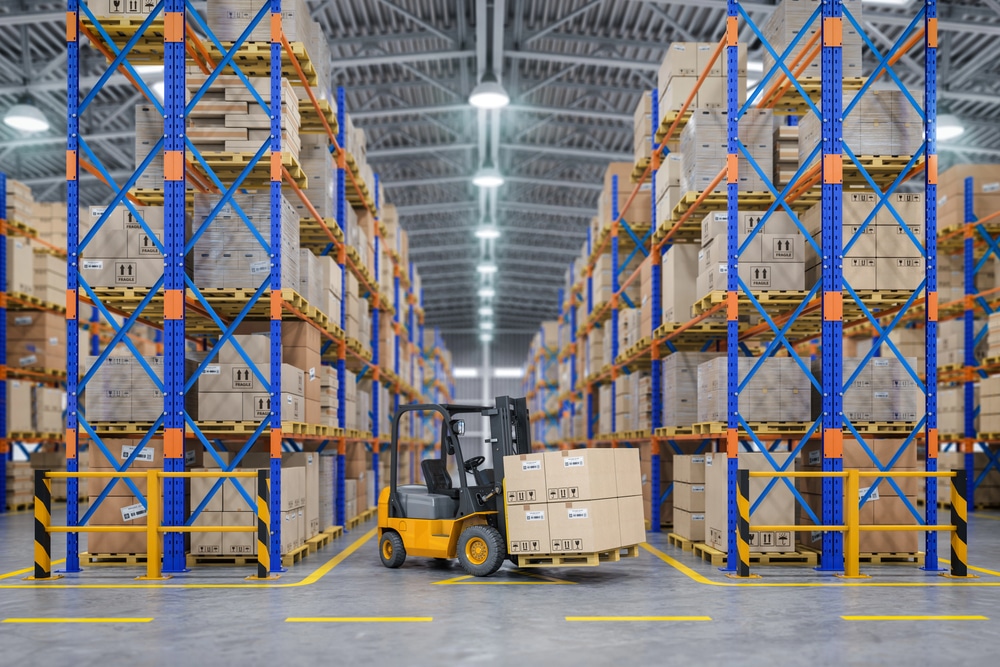
For example, a distributor might cross-dock store-ready orders for regional retailers while keeping backup inventory and slower-moving items in a Kansas City 3PL warehouse. This combination keeps high-velocity freight moving while protecting service levels for products that need to be stored until demand rises.
A hybrid model also creates flexibility. When demand rises, product can be pulled from storage to supplement cross-dock flows. When a supplier is delayed, stored inventory can fill the gap. When an inbound shipment arrives with orders already assigned, Kansas City cross-docking can help move it back out quickly without adding unnecessary storage time.
Working with one provider for both services makes the process easier. Inventory, transportation and scheduling can be coordinated under one roof, while one team manages the full flow of freight from inbound receiving through storage, fulfillment and final delivery.
Pulse Transportation helps shippers make this decision with real information rather than guesswork. Our team looks at shipment volumes, order patterns, delivery requirements and product types, then recommends where cross-docking, warehousing or a combination will deliver the best results. Explore our Kansas City 3PL warehousing services to learn more about the storage and fulfillment side of your supply chain.
Conclusion
Cross-docking is ideal for fast, predictable freight that needs to keep moving, while warehousing is the better fit for inventory buffering, bulk purchasing and variable demand. For many Kansas City and Midwest businesses, the strongest strategy uses both approaches, matched to the needs of each product line.
If you are weighing cross-docking versus warehousing, contact Pulse Transportation to consult with our logistics team. We will review your freight, inventory requirements and customer delivery needs to help build a distribution strategy that fits your business.